
Using a flashlight to check for bed bugs
Go slowly along mattress edges and the bed frame; keep any insect you catch.
See treatment options
Bed Bug Treatment in Syracuse, NY usually starts with someone checking the beds, because the bugs creep between rooms and store sprays seldom reach them. Through this line you reach an independent provider nearby who can examine your home, house or apartment, and set out the options. Calls are connected for 13202, 13203, 13204, 13205, 13207, 13210, 13244, 13290 and the Syracuse parts of 13208 and 13224.
Bed bug calls across Syracuse go to one line.
Providers usually look before they price the work.
Each call reaches a provider that works in Syracuse.
Look up the firm and applicator in NYSPAD.
For bed bug treatment in Syracuse, the first visit sets the direction for everything after it. A provider will usually run a flashlight along mattress piping and box spring edges, pull the headboard away from the wall, open sofa cushions and frame joints, and check baseboards and the plates around outlets, since bed bugs squeeze into gaps thinner than a card. Before agreeing to any work, have the provider point out the bugs, eggs or shed skins behind the advice.
Heat treatment means the provider warms a room or an entire unit until no life stage of the bug can survive. Chemical treatment applies products to the crevices and seams bugs hide in, and a follow-up round may be required since eggs can survive the first. Many providers use both and then book a recheck. When you talk with a bed bug exterminator in Syracuse, NY, have them explain the choice for your rooms in plain terms.
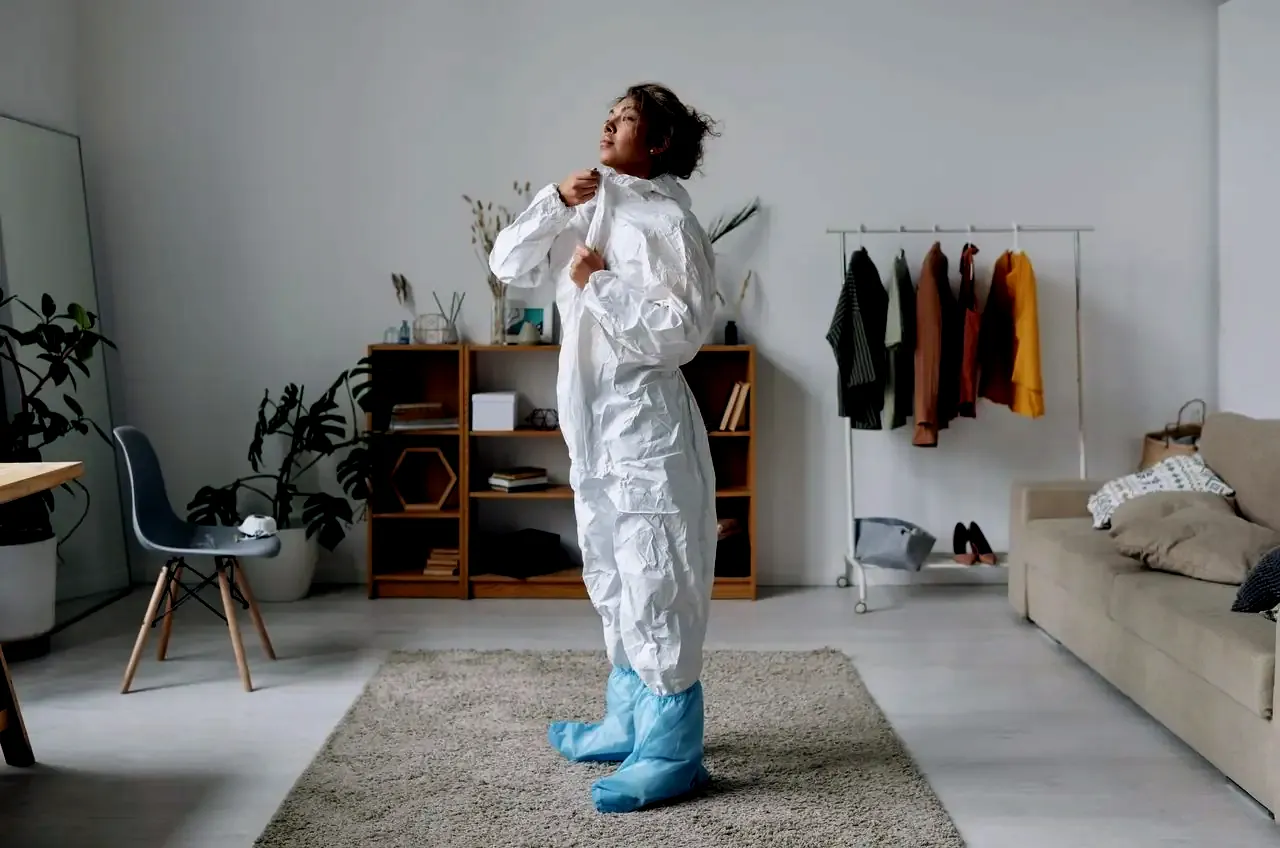
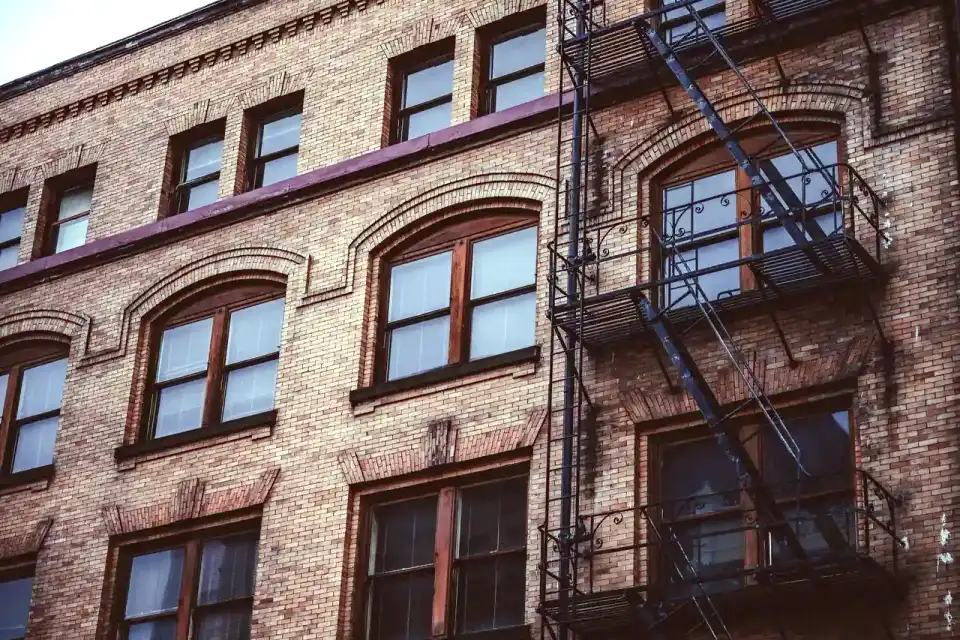
In Syracuse bed bugs are a year-round indoor pest rather than a seasonal one. In the city, roughly 58 percent of occupied homes are rentals, and 54.6 percent of the housing stock is in structures with two or more units. According to the Onondaga County Health Department, bed bugs can make their way through walls, floors and ceilings. The housing is old too: the median home dates from 1948. In any type of building, the provider generally inspects, treats, then comes back.
An inspection normally covers mattress and box spring seams, bed frame joints, headboards, sofa cushions, baseboards and outlet plates. Some providers bring extra detection tools as well, so ask which methods they rely on. When it wraps up, you should understand what was found, the rooms affected and what the provider advises.
View service
Using heat, the provider raises a bedroom or a whole unit past what any bed bug life stage can survive. Items that might warp or melt, including candles, medicine, aerosol cans and some electronics, are removed first; the provider hands over the full list.
View service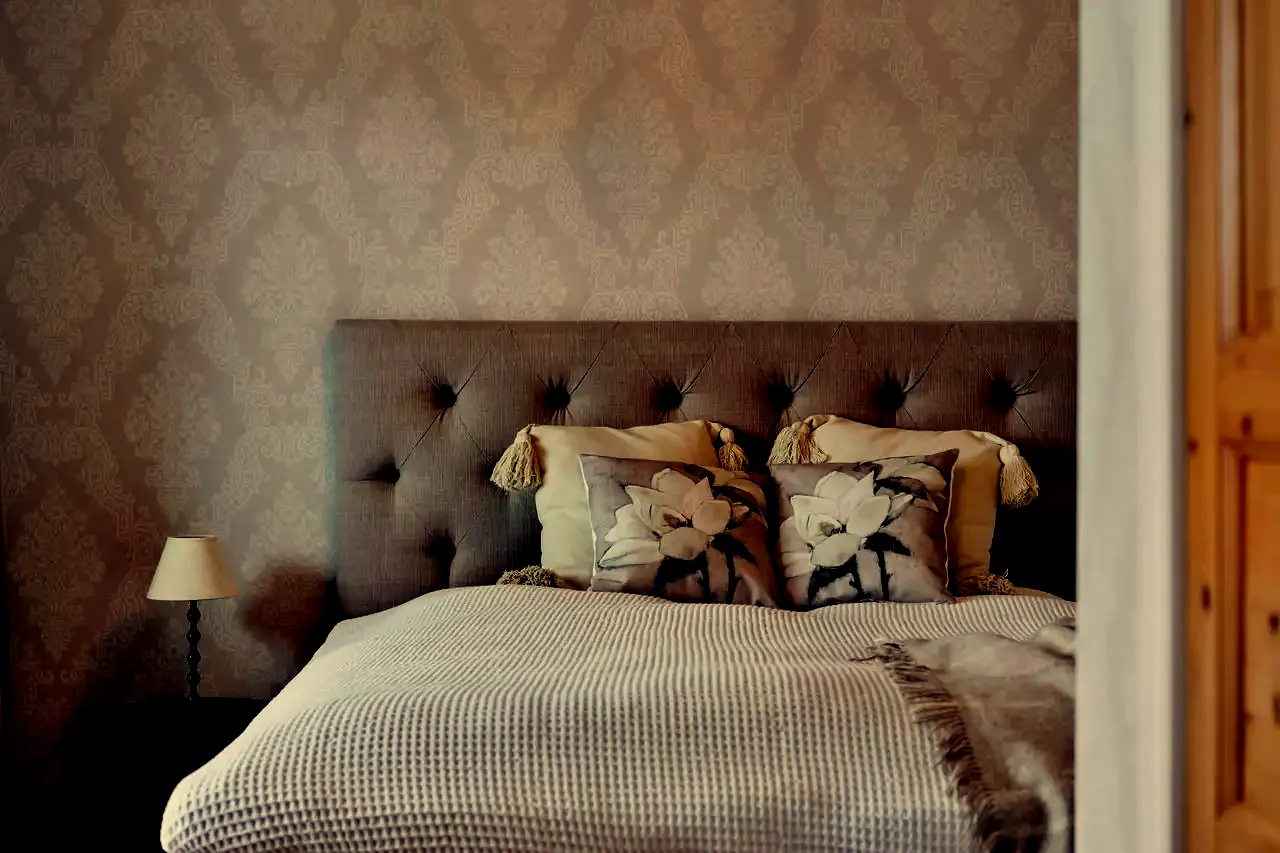
A chemical plan relies on products that kill on contact and others that keep working, placed in the joints, seams, cracks and voids bugs use. Eggs can survive one application, so a second appointment is normal. In New York, DEC registers pest control businesses and certifies applicators. Ask which products go on which spots.
View serviceDescribe the bites, spots or bugs, and a nearby provider can suggest where to start.
Finding the right person to call is often the slowest part of dealing with bed bugs. This site gives Syracuse one number, passes each call to an independent provider covering your ZIP code, and leaves booking up to you.
Before treatment starts, ask for the provider's DEC business registration and the applicator's certification number, and check both in DEC's NYSPAD lookup. New York's Department of Environmental Conservation keeps both records. No provider is licensed, vetted or endorsed by this site.
Treatment should rest on something you can see. Expect the provider to point to live bugs, eggs, cast skins or the small black spots bed bugs leave along seams, room by room. When nothing turns up, it is fair to ask whether another cause fits the bites better before you spend money.
Calls are connected 7 a.m. to 1 a.m. Eastern Time (8 a.m. to 2 a.m. during daylight saving time), from the ten Syracuse ZIP codes listed under the areas covered, including the Syracuse parts of 13208 and 13224.
You will not find figures on this site. Once the inspection reveals the job's size, the provider sets the cost: the size of the home and the rooms involved, how established the bugs are, the method chosen, clutter and furniture, and the number of return trips planned.
Expect a close look at every bed, the sofa, nearby furniture and the baseboards, searching for bugs at any stage and the marks they leave. Ask to see the findings and how many rooms they reach.
Run bedding and clothes through a hot dryer, seal clean items in bags, cut down clutter and slide furniture away from the walls. Leave things in the room they came from, skip foggers, and keep the mattress until the provider has seen it. The provider's own prep sheet always comes first.
Next, the chosen method is carried out: heat, chemicals or a combination. Small interceptor cups placed beneath bed and sofa legs afterward trap stragglers and reveal whether a hiding place was overlooked.
The Onondaga County Health Department says it will take repeated treatments and that there is no one-time quick fix. Ask when the recheck is scheduled, what it covers and how to respond to new bites, and leave covers and interceptors in place until told otherwise.
No two providers run things exactly alike, but the steps above show the usual order. Have the provider walk you through them, including your share of the prep and the date of the recheck, before anything is booked.
A live bug is the clearest sign; also watch for papery cast skins, dark specks on sheets and mattress edges, and pinhead-sized eggs. Heavy cases smell musty. Bites alone prove little.
Shelf sprays and foggers seldom reach the cracks and seams where bed bugs shelter. The Onondaga County Health Department recommends hiring a licensed pest control operator with bed bug experience, who can inspect, find the hiding places and explain what fits.
In a shared building, the landlord or manager must take part, and neighboring units may be inspected too. Put the report in writing and save dated photos. Under New York Real Property Law Sec. 235-j, a landlord who learns of an infestation must notify the tenants above, below and next to it in writing within 72 hours.
Furniture from the curb or a resale shop can carry bugs in its seams. Do not drag the mattress out before the inspection, because a provider may be able to treat it, and zippered covers on mattress and box spring keep survivors sealed inside.
The Onondaga County Health Department says bed bugs get carried around in bags and luggage. Back from a hotel or a visit, unpack outside the bedroom, run travel clothes through the wash and a hot dryer, and check suitcase seams by flashlight before storing the bag.

Not reviews and not real customers: these are common Syracuse cases, each with the step that usually comes next for it.
A renter living in part of an older house wakes to itchy welts, then spots small dark marks along the mattress seam. Sensible next steps: notify the landlord in writing, take dated photos, and get a provider to check the bedroom plus any shared rooms. The plan then follows from what that inspection shows.
A tenant tells the owner of a small building about bites, and the owner wonders whether the next-door units are affected. A provider generally checks the reported unit plus its neighbors on each side, above and below, then lays out options. New York Real Property Law Sec. 235-j calls for written notice to those neighbors within 72 hours.
A household settling into a new apartment spots a flat brown insect on a moving box. Instead of spraying, they leave the boxes outside the bedrooms, seal the insect in a sandwich bag and call. A provider can say whether it is a bed bug or a look-alike such as a carpet beetle.
Calls are connected for Syracuse addresses in 13202 (Downtown), 13203 (Hawley-Green, Sedgwick, Lincoln Hill, Prospect Hill), 13204 (Tipp Hill, Near Westside, Far Westside, Franklin Square), 13205 (Brighton), 13207 (Elmwood, Strathmore) and 13210 (Westcott, University Hill, Outer Comstock). The line also takes the Syracuse part of 13208 (Washington Square, Court-Woodlawn), the Syracuse part of 13224 (Salt Springs, Meadowbrook), 13244, 13290 and the Eastwood neighborhood.
Syracuse has 67,601 housing units. Give your ZIP on the call to reach a provider covering it.
Coverage stops at the Syracuse city line. Ask on the call if you are unsure about an address.
Choose a company that inspects before suggesting anything and includes a follow-up visit in its plan. Before treatment starts, ask for the provider's DEC business registration and the applicator's certification number, and check both in DEC's NYSPAD lookup. Ask too how it decides between heat and chemicals, what you must do to prepare, and which factors set the price.
Yes. It works better when the units around the affected one are checked too. The Onondaga County Health Department notes bed bugs can move through walls, floors and ceilings, so treating one apartment alone can miss the source. Report it in writing. Syracuse code Sec. 27-74 says buildings must be kept free of insect infestation; this is not legal advice.
More than one, in most cases. The Onondaga County Health Department says it will take repeated treatments and that there is no one-time quick fix. The provider sets the number after the inspection, based on the method and how established the bugs are.
Usually yes for heat treatment. Because the rooms heat up enough to kill bed bugs, people and pets keep away until the provider clears re-entry. Once chemical work ends, the provider says when to return. Follow the provider's instructions, and see the Onondaga County and NYSDOH bed bug pages for safety guidance.
Yes, if a hiding spot is overlooked or new bugs ride in on bags, clothes or used furniture; the county health department notes they travel in luggage. That is why providers often leave interceptors and book a recheck, and why mattress covers help: new activity is easier to spot. Ask what happens if bugs show up again.
Questions to think about before calling about bed bugs.
Ask the providerThree quick reads: confirming the signs, preparing rooms and knowing what to ask.

Go slowly along mattress edges and the bed frame; keep any insect you catch.
See treatment optionsHot-dry bedding, cut clutter, and avoid foggers or moving things to other rooms.
See treatment options
Cover the findings, the chosen method, your prep, any rechecks and the cost factors.
See treatment optionsYour call passes through a call-tracking service, may be recorded, and is then put through to an independent provider that works in Syracuse. Calls are connected 7 a.m. to 1 a.m. Eastern Time (8 a.m. to 2 a.m. during daylight saving time). Outside those hours you can leave details for a call back. The provider arranges the inspection and sets the price.