One number to dial
Bed bug calls across Syracuse go to one line.

A bed bug inspection in Syracuse answers one question before money goes into treatment: are bed bugs really in the home? A provider typically examines mattresses, box springs, headboards, upholstered seams, baseboards and outlet covers, whether in a house, a two-family flat or an apartment, then talks you through the results. A clean result spares you the cost of treating nothing. Confirmed activity comes with a picture of where the bugs are, so any plan targets those spots instead of guesswork.
Bed bug calls across Syracuse go to one line.
Providers usually look before they price the work.
Each call reaches a provider that works in Syracuse.
Look up the firm and applicator in NYSPAD.
Expect each room to be searched in turn, furniture and floor edges checked closely, any finds recorded and next steps discussed. Treatment is a separate decision. The cards below cover what to expect and which questions to put to the provider.
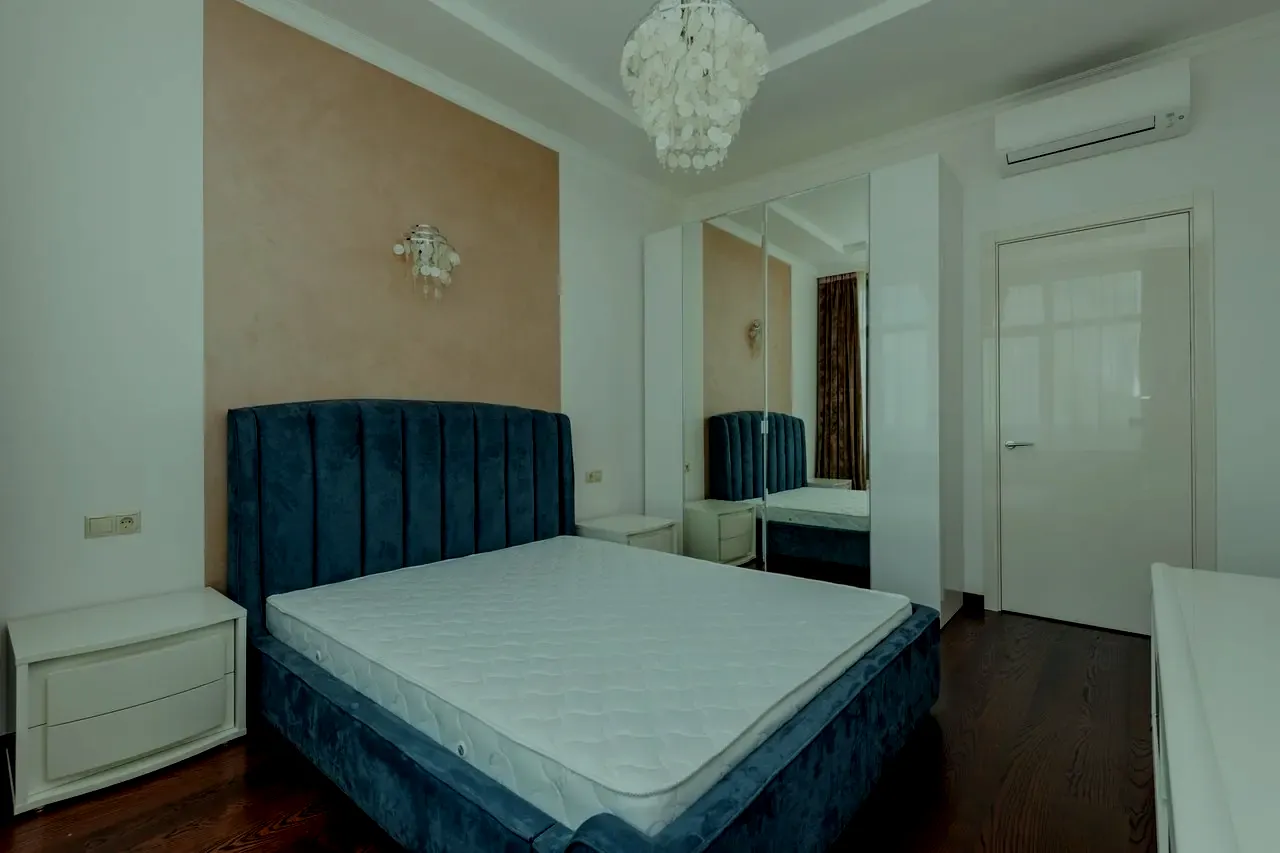
The search usually opens at the bed: the mattress with its seams and tags, each box spring corner, then the frame and headboard. Upholstered sofas and chairs follow, with seams and cushion undersides checked carefully. Early infestations tend to show up here first, when a treatment plan is still simpler.
Away from the bed, bugs shelter along baseboards, behind switch and outlet covers, in nightstand drawers and beneath carpet edges that have lifted. These spots are usually checked with a bright flashlight and a slim card. Ask which tools will be used and how anything suspicious is verified before it goes in the notes.
Providers check seams and bedding for live insects, pinhead-sized pale eggs, discarded skins and dark fecal marks. A strong musty odor can come with heavy activity. Since bites alone are not proof, the provider wants physical evidence before naming it an infestation.
Request the results in writing: the visit date, the rooms searched, what evidence turned up and where, plus photos if they can be taken. When the issue goes to a landlord or building manager, a written record carries weight, and it lasts longer than a spoken summary that is easily forgotten.
Before the visit wraps up, have the provider explain what was found. If the search came up empty, ask what other causes might fit the bites and how to stay alert. Where activity is confirmed, ask before committing which treatments fit, what preparation is required and how cost is worked out.
Describe the bites, spots or bugs, and a nearby provider can suggest where to start.
A bed bug inspection in Syracuse is a thorough check of the spots bed bugs hide in, rather than a fast flashlight pass. A provider usually tips up the mattress, works its seams and each box spring corner, then moves on to the headboard, dressers, nightstands, outlet covers and baseboards. The aim is to spot living bugs, discarded skins, pinhead-sized pale eggs and the dark staining that builds up near an active harborage. Ask how each suspected find gets confirmed, and get the results on paper before the provider leaves, so there is a record you can keep or pass on.
Syracuse housing is one reason an inspection pays off. Census figures put renters in about 58 percent of the city's occupied homes, and 54.6 percent of its housing units are found in structures with at least two units, so plenty of households live wall to wall. According to the Onondaga County Health Department, bed bugs can make their way through walls, floors and ceilings. Bites without any visible bug can be confusing, and an inspection settles the question with evidence, which spares you unneeded treatment and stops you waiting while bugs spread to another bedroom.
Call (315) 916-8152 to explain the signs you have noticed: bites, live bugs, stains on bedding or a letter from your landlord. Keep the address or ZIP at hand, along with the room count, the type of home (house or apartment) and the date you first noticed signs. An independent provider in the area takes the call and agrees on a visit time with you.
Before searching, the provider will normally tour the rooms alongside you and describe the steps ahead. Many prefer that beds stay made and furniture stays put until they arrive, since bugs that are disturbed scatter and hide. Say so if bedding has already been washed. Let the provider know about kids, pets or health issues so everyone at home stays safe.
Most providers begin where people sleep and widen the search from there: mattress seams, bed frames, headboards, nightstands, then baseboards. Ask how a suspect spot is confirmed. Every confirmed find belongs in the notes, ideally with a photo, so the record reflects only what was seen.
Have the provider note every active spot, the level of activity per room and the pieces likely to be saved with treatment. Useful findings show the date, the rooms searched, the evidence type and photos where possible. Renters should ask for a plain-language copy that a landlord or building manager can act on.
When the search is done, have the provider review the findings with you. If no activity shows, ask about other bite sources and ongoing monitoring. If bugs are active, review the options, heat treatment through targeted chemical work, and how cost gets decided. The next step is your call, with no obligation.

Most searches rely on a bright flashlight and a magnifier, aimed into seams, joints and screw holes to pick out eggs, shed skins and dark spotting.
With a small handled mirror, a thin probe and a scraper card, the provider can look behind headboards, beneath drawers and into frame cracks without dismantling furniture.
Providers may use steam for spot work and follow-up visits on fabric folds and mattress seams, since its heat kills any bed bugs and eggs it reaches. Ask if the provider uses steam and how it fits into the plan for your home.
After treatment, interceptors placed beneath each bed leg and monitors set near harborages reveal whether bugs remain active. They collect evidence for days and weeks, not only while the provider is there.
While preparing, a HEPA vacuum can pull debris, live bugs and cast skins from seams and the edges of carpet. Ask the provider if you should vacuum ahead of the inspection or leave everything untouched.
Using a bright light along with a slim card or scraper, a provider can peer into cracks, seams and screw holes. The same basic tools work for your own look before you call.
Ask whether every flagged spot is backed by something seen with the eye, such as a live bug, an egg or a cast skin, no matter which tools were used. An unconfirmed alert is difficult to act on; a confirmed one is clear evidence for a landlord or a second provider.
If treatment follows, New York's Department of Environmental Conservation certifies pesticide applicators and registers pest control businesses. Before treatment starts, ask for the provider's DEC business registration and the applicator's certification number, and check both in DEC's NYSPAD lookup.
Integrated pest management brings together inspection, preparation and sealing of hiding places, and it treats only the spots where bugs turn up, instead of spraying everywhere. The Onondaga County Health Department says it will take repeated treatments. Ask how monitors track progress and how the plan changes with what they show.
Many providers recommend zippered covers for both the box spring and mattress, which trap any bugs inside and take away hiding places that are hard to treat. Together with interceptors, they make later checks easier. Ask which type the provider advises.
Bites are not proof of bed bugs; people react to bites differently, and other insects also bite. Before calling, shine a flashlight over the headboard and the seams of the mattress, and seal any bug you catch in a bag or get a sharp photo of it. Next, the inspection searches for physical signs, whether live bugs, eggs, skins or spotting, letting you find out if bed bugs are there and in which spots, rather than laundering sheets with no answer.
Report the problem to your landlord in writing and log dates and photos. Findings on paper list which rooms were checked and the location and type of any evidence. New York Real Property Law Sec. 235-j sets written notice rules for landlords who learn of bed bugs in a building; this site offers no legal view on how any rule affects you.
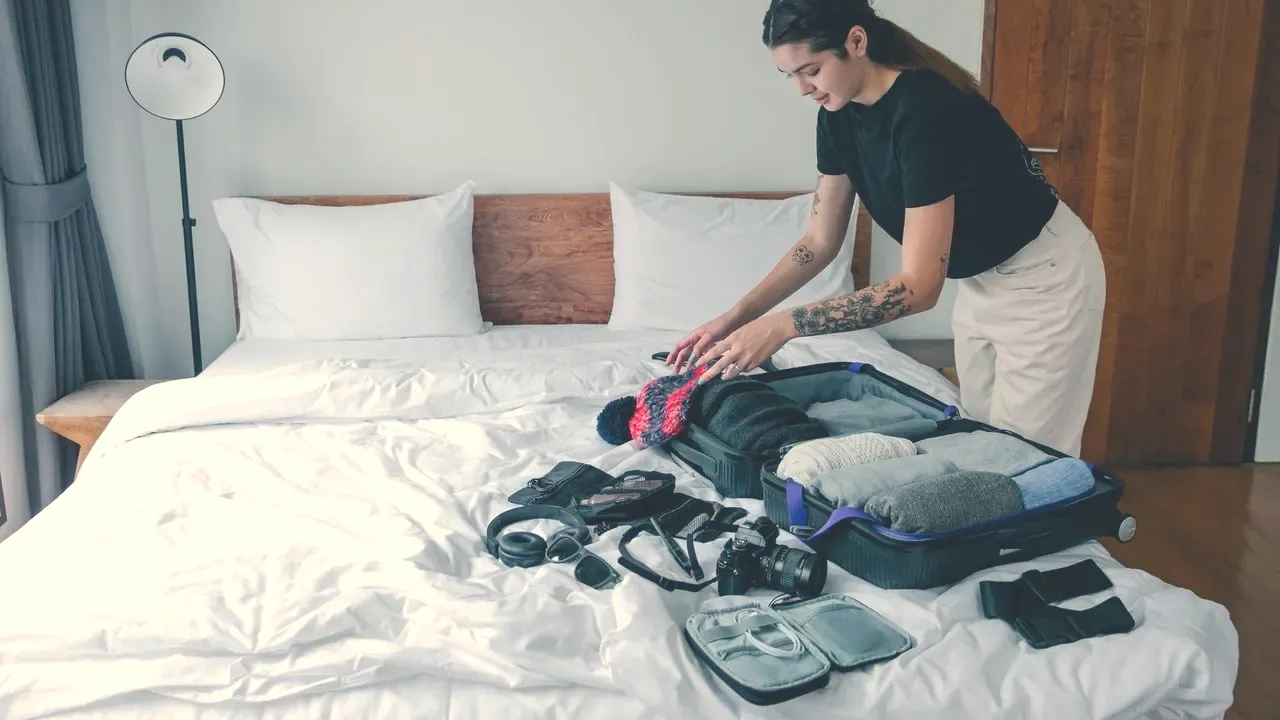
Use a flashlight on the piece's seams, joints and frame, and on the nearby baseboards too. The county health department notes bed bugs travel in bags and luggage, and used furniture can carry them as well. If doubt remains, an inspection covers the piece and its room. With no signs, ask about monitoring; if bugs are confirmed, raise treatment of that item before they spread.
Rooms, furniture and shared spaces can usually be inspected by a provider, who then hands over written findings. On a bigger property, ask if the job can be done one section at a time to reduce disruption. Because the county health department notes bed bugs travel in bags and luggage, ask how the provider will check guest rooms, staff break rooms and other shared spaces.
Syracuse housing is old: the median home was built in 1948, about two in three units date from before 1960 and 85.5 percent from before 1980. Renters hold about 58 percent of occupied homes, and 27.9 percent of housing units are located in structures with five or more units. According to the Onondaga County Health Department, bed bugs are able to pass through walls, floors and ceilings, which is why providers may ask to check the units surrounding the caller's. Bed bugs remain an indoor pest all through the year. Calls are connected for Downtown in 13202; Hawley-Green, Sedgwick, Lincoln Hill and Prospect Hill in 13203; Tipp Hill, Near Westside, Far Westside and Franklin Square in 13204; Brighton in 13205; Elmwood and Strathmore in 13207; Washington Square and Court-Woodlawn in the Syracuse part of 13208; Westcott, University Hill and Outer Comstock in 13210; Salt Springs and Meadowbrook in the Syracuse part of 13224; and 13244 and 13290. Tenants may request findings on paper to pass to the landlord, while owners can ask how cost and treatment options get decided.
Tipp Hill is an official City of Syracuse neighborhood in ZIP 13204. If the home is joined by a wall to another unit, ask if that wall needs checking too.
Strathmore is an official city neighborhood in ZIP 13207. In a house, a provider usually begins at the beds and works out to sofas, baseboards and outlets.
University Hill and Westcott lie in ZIP 13210. Following a move in or out, inspect headboards, bed frames and the cracks around them, and save a specimen or photo.
Salt Springs and Meadowbrook are in the Syracuse part of ZIP 13224. Bugs can arrive in used furniture and travel bags, so look over both the item and its room.
The county health department says bed bugs can find their way through walls, floors and ceilings, and pipe and outlet openings are typical routes. A provider may ask to see adjoining units, with the manager arranging access.
Syracuse has no bed bug season. Since bed bugs live indoors year-round, arrange an inspection as soon as bites or other signs appear, no matter the month.
Bed bugs can enter on secondhand sofas, mattresses and dressers, and the Onondaga County Health Department notes bed bugs travel in bags and luggage. Inspect items before bringing them indoors.
Roughly 58 percent of Syracuse's occupied homes are rentals, so leases turn over and furniture changes hands often. A written record lets a manager coordinate treatment from one unit to the next.
Example: someone renting has been bitten for weeks and still has not seen a bug. Before setting up treatment, the landlord wants written proof, and the renter is laundering sheets every day and losing sleep.
What to expect: beds, baseboards and box springs get checked for physical signs. Confirmed bed bugs mean the landlord receives written findings to act on; a clean result means asking the provider about other likely causes of the bites.
After that: Cups set under each bed leg catch bugs that are still moving. Ask the provider when to schedule a follow-up inspection, and let the landlord know in writing about any new signs.
Example: weeks after a secondhand couch came home, the household is getting bitten and debating whether to drag the couch outside and treat every room.
What to expect: the search reveals whether bugs stay in the couch and baseboards near it or have spread to other rooms. A small, contained problem points to targeted work; a wider one points to a plan for the whole home. Have the provider walk through both.
After that: Ask whether encasements for the mattress are worth adding and when a return check should happen. Do not move the couch until it has been inspected.
Example: one unit has complained of bites for weeks, and a few other tenants have mentioned itching only in passing. The property manager wants a look across the building before any treatment is approved.
What to expect: the inspection may cover the unit that complained, its neighbors on each side and any unit above or below it, with results noted per unit. Ask how treatment decisions are made for each unit and how follow-up visits will be organized building-wide.
After that: Ask about interceptor cups in each affected unit and a follow-up schedule in writing. Giving new tenants a brief bed bug sheet when they move in can prompt earlier reports.
Such cases bring bites, no visible bugs and plenty of uncertainty. An inspection trades that uncertainty for evidence and a plan.
Laundry and vacuuming have become a daily routine and the bites continue. Meanwhile, bugs may be settling in the box spring or behind the headboard where nobody looks. Bites alone settle nothing, and skin irritation can also come from carpet beetle larvae. A provider looks for real evidence and confirms each find, and written findings should say plainly whether bed bugs are present and in which spots.
Without written proof, the dispute can drag on for weeks as bugs reach another room. Make the report in writing, keep photos and dates, and request findings from the provider listing the rooms searched and the evidence found in each spot. In Syracuse, rentals need a Rental Registry Certificate, which involves an interior and exterior inspection by Code Enforcement, and tenants can look a property up on the city's Look Before You Rent map.
Bed bugs can reach Syracuse homes on used sofas, mattresses and dressers, and the county health department notes the bugs travel in bags and luggage as well. Holding off until bites appear lets an infestation spread across the room. A provider can check the item and its room, covering seams, frames and close-by baseboards. If nothing shows, ask about monitoring; otherwise, ask how to isolate and treat it before the bugs reach bedrooms.
When the problem starts next door, treating only your apartment may not last; the county health department says bed bugs can find their way through walls, floors and ceilings. Inform the landlord or manager in writing, then check with the provider if neighboring units and shared walls should be inspected. If bugs are active in more than one unit, coordinated treatment on every affected side is what usually ends the back-and-forth.
Decided by the provider, not this site; houses, apartments and full buildings each get scoped their own way
Inspection cost is set by whichever provider you end up speaking with, not this site. The home's size, the number of rooms to search, the type of property (house, apartment or full building) and the tools involved usually shape the cost. Find out if inspection and treatment are charged separately, how treatment cost is set after the findings come in and whether the inspection fee stands regardless of the outcome. Booking is never required after the call or the visit.
Seeing the real scope comes first, then the decision on treatment. When treatment comes next, the findings let the provider estimate the job and reach every harborage, which may save you extra visits down the line.
Every extra room lengthens the search, so a studio goes faster than a big house with multiple bedrooms and a finished attic. Ask how the overall size of your home and its room count affect what you pay.
A single house, one apartment and a whole multi-unit building are rarely scoped the same way. Inspecting several units in one trip may be priced differently from a single unit, and commercial sites tend to be scoped by phone first. Ask how your property type is handled.
Packed rooms give bed bugs more cover and make seams and floor edges harder to get at, so the search runs longer. Ask if that affects the price. If there is a lot to clear, ask the provider what should be done before the inspection.
A provider that adds equipment beyond a visual search may charge differently for it. Ask what method will be used in your Syracuse home and what extra it brings to the results.
Calls are connected for 13202, 13203, 13204, 13205, 13207, 13210, 13244, 13290 and the Syracuse parts of 13208 and 13224. Evening or weekend visits may cost more, so ask. Scheduling and pricing are up to the provider, not this referral line.
This site connects callers to providers and is no pest control firm; it does not inspect or treat. Calls go to independent providers working in the area, and vetting whoever you hire is your responsibility. In New York, the Department of Environmental Conservation certifies pesticide applicators and registers pest control businesses. Before treatment starts, ask for the provider's DEC business registration and the applicator's certification number, and check both in DEC's NYSPAD lookup. The Onondaga County Health Department recommends a licensed pest control operator with bed bug experience. Find out the provider's inspection method and tools, if adjoining units are part of the search and whether you receive written findings.

Dark marks on the sheets have an Elmwood homeowner ready to throw out the mattress. A provider would normally inspect it first, along with the box spring and the headboard, looking for real evidence before suggesting a plan. Keep the mattress until that check is done, and request photos plus written results. Only the provider gives treatment advice and sets cost; this site does neither.
One tenant has reported bites for weeks; the rest of the building has been quiet. The provider will likely want to know which units share a wall, floor or ceiling with it and suggest checking them. Results are normally recorded unit by unit. Ask about the follow-up visit process, and use the written findings when explaining the plan to co-owners and tenants.
Bites keep coming, yet the renter has never caught sight of a bug. An inspection may come back clear, and the provider may raise carpet beetles as a possible cause; their larvae are hairy and their shed skins bristly, unlike bed bugs. Bat bugs closely resemble bed bugs, yet they fall outside this service. Ask which signs to monitor and when to call back.
Expect a room-by-room search of every place people sleep and sit: mattresses are lifted, and seams, frames, baseboards, outlets and furniture are checked for live bugs, eggs, skins and spotting. Find out how long a visit to your house or apartment should last, and request photos plus written results. Treatment is a separate step, so there is time to read the findings and choose what to do next without pressure.
Usually, yes: verifying live bugs up front stops you from spending on heat or chemical work you never needed. The search also maps where bugs hide, so treatment can reach all of those spots; a missed harborage is one way infestations return. Have the provider verify activity before treatment cost is quoted.
No method catches every bug; accuracy depends on how thorough the search is. Most visits center on a careful visual check, and you can ask how anything flagged gets confirmed. Carpet beetles and similar look-alikes can muddy things, and bat bugs, though very similar in appearance, fall outside this service. If the search finds nothing yet bites continue, ask what to watch for and how to keep tabs over the next weeks.
It depends on the home, and the provider you reach sets the figure, not this site. Size, room count, property type and the search tools used are the usual factors. Ask whether the inspection is charged separately from any treatment that follows. To be connected with a provider serving Syracuse, call (315) 916-8152.
Have a question this page skips? A local provider reached through the referral line can talk it over with you.
Ask the provider
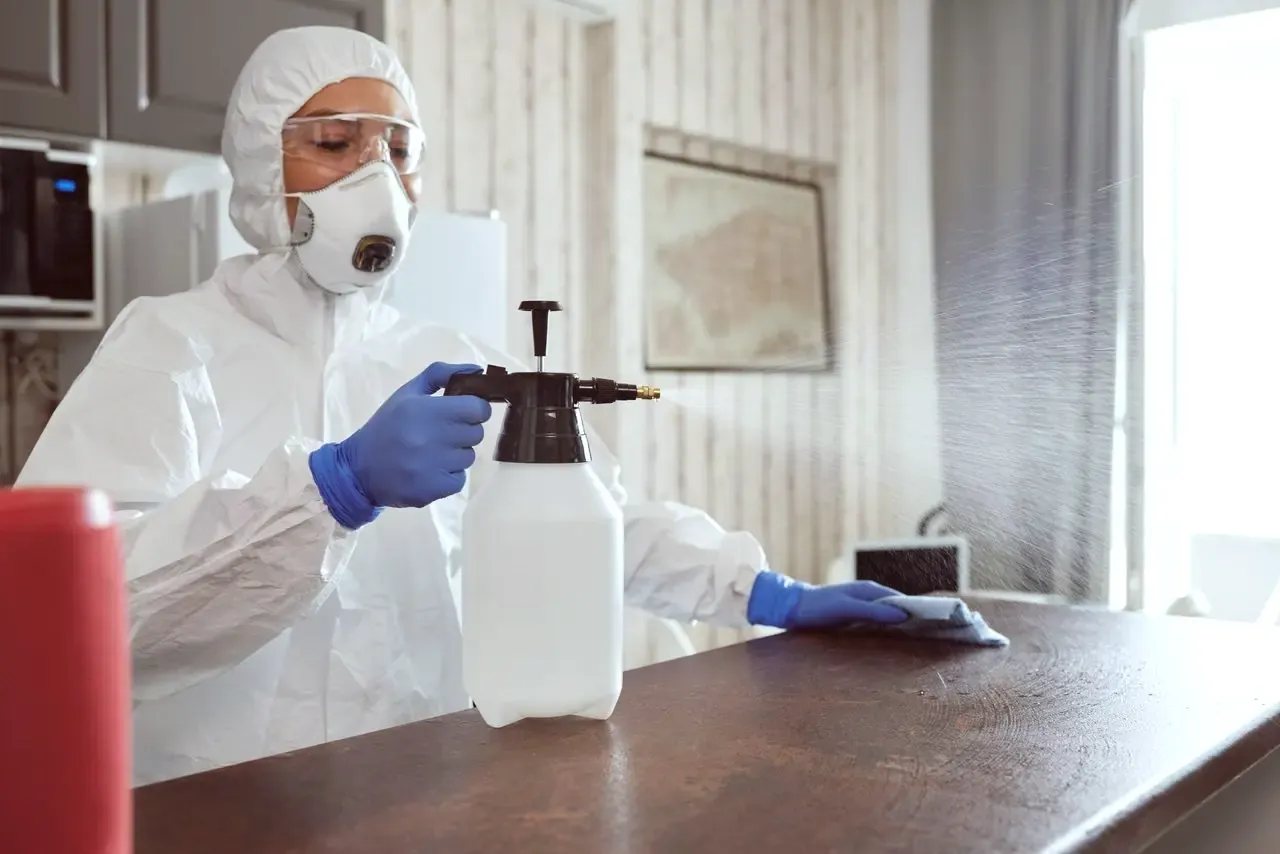
In a heat treatment, the provider heats the affected rooms to a high enough level, and holds it long enough, to reach adults, nymphs and eggs. Electric heaters and fans do the work, often in a single visit, once heat-sensitive belongings are removed. An inspection that confirms live bugs normally comes first.
View serviceChemical treatment places products directly in the hiding spots the inspection found. Providers often use it for lighter infestations or where heating a building is impractical. Eggs can outlast one application, so return visits are normal. New York's DEC certifies the applicators and registers the businesses that do this work.
View service
In a Syracuse apartment, bugs can pass along shared walls and through outlets, and a neighbor might never say a word. Providers may treat the affected unit and check the walls on both sides. Tenants should report the problem in writing, note dates, take photos and complete the prep steps, while interceptors and monitors track progress.
View service
A follow-up visit reveals if the first round succeeded. Providers usually inspect again, read interceptors and monitors and spot-treat any survivors. The Onondaga County Health Department says it will take repeated treatments, with no one-time quick fix. Find out how many follow-up visits are likely and whether the original quote covers them, so nothing catches you off guard.
View serviceYour call passes through a call-tracking service, may be recorded, and is then put through to an independent provider that works in Syracuse. Calls are connected 7 a.m. to 1 a.m. Eastern Time (8 a.m. to 2 a.m. during daylight saving time). Outside those hours you can leave details for a call back. The provider arranges the inspection and sets the price.